
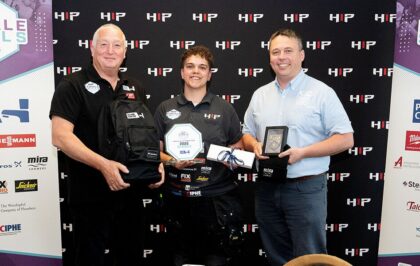
HIP Female Skills 2025 Winner Announced
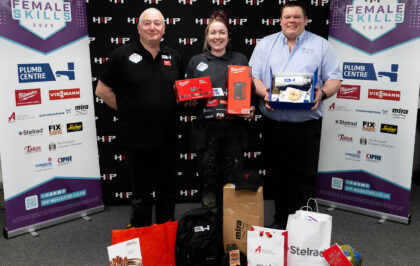
We are pleased to announce Georgia Popham-Roberts from Cornwall College St Austell as our HIP Female Skills 2025 Winner!
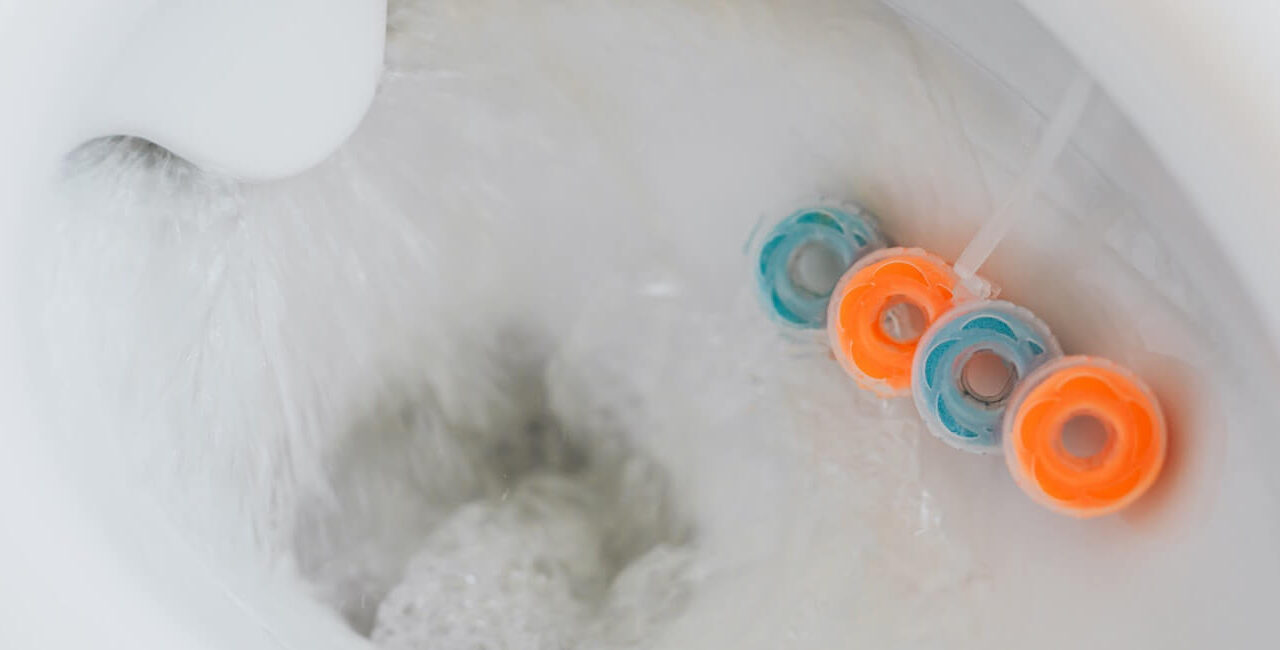
CIPHE says that usually ‘toilet plume’ (tiny droplets and aerosol particles released into the air after flushing) offers a small risk of transmission of illnesses, so wouldn’t usually be a problem for the healthy and hygienic among us.
But then coronavirus struck.
According to science, coronavirus is primarily transmitted between people through respiratory droplets and contact routes. Airborne transmission is possible via aerosols.
With some coronavirus patients experiencing symptoms including diarrhoea and vomiting, it’s been discovered the virus survives in the digestive tract and has been found in sewerage systems around the world.
New research warns that 40-60% of toilet plume particles can reach to a height of 106.5 cm above the ground – well in excess of the height of a toilet seat – enabling the spread of particles on nearby surfaces.
During computer simulations, particles could also stay suspended in the air long enough to be breathed post-flushing.
Just think how easy it is to come into contact with airborne particles and contaminated surfaces – at home brushing your teeth, or in public toilets with many users.
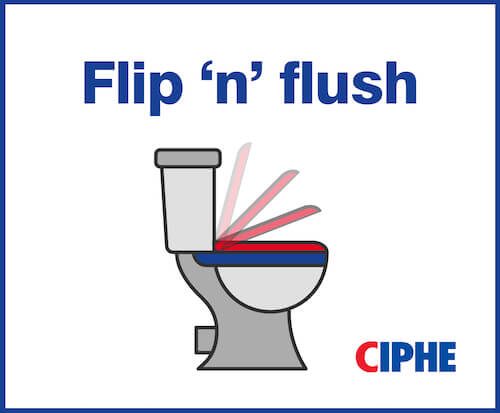
CEO of the CIPHE, Kevin Wellman said: “Simply closing the lid when flushing the toilet can remove any associated danger of toilet plume. Needless to say, this should always be backed up by vigorous hand washing routine. Those wanting to be ultra-careful, can also then clean the toilet seat before it is used to further reduce the risk of potential infection.
“While a proven case of transmission of the virus via the risk identified in the research is still to be established, we should take all measures available to help stop the spread of coronavirus and other illnesses such as staphylococcus and E. coli. That’s why we are urging installers to get behind the flip ‘n’ flush campaign, to help keep their customers safe.”
So keep a lid on it!
We are pleased to announce Georgia Popham-Roberts from Cornwall College St Austell as our HIP Female Skills 2025 Winner!
CIPHE – the professional body for the UK plumbing and heating industry – has published its official manifesto for 2025-2027.
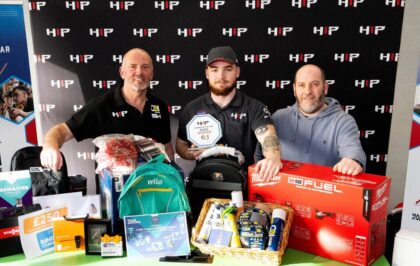
We are pleased to announce Jackson Gill from New College Durham as our HIP Learner of the Year 2025 Winner!
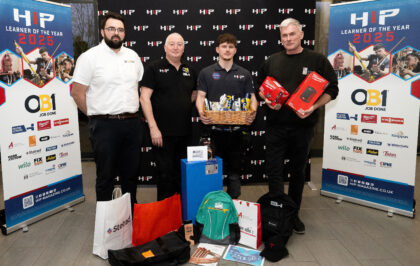
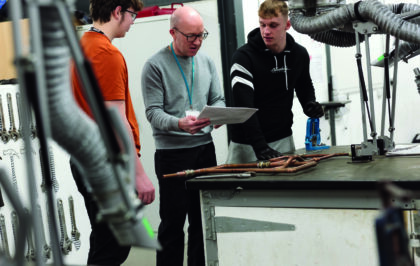
HIP Learner of the Year 2025 is underway- HIP will visit 6 UK regions where 10 students compete in a practical test, to decide who makes it to the final.
HIP Learner of the Year 2025 is underway- HIP will visit 6 UK regions where 10 students compete in a practical test, to decide who makes it to the final.
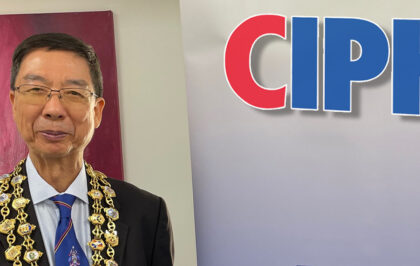
The Chartered Institute of Plumbing and Heating Engineering (CIPHE) welcomed a new National President at its Annual General Meeting (AGM) on Friday 17th June