
Applications open for HIP LOY & FSC 2027
Applications are now open for 2027 – get involved in HIP Learner of the Year & HIP Female Skills Competition today!
Click here to download a PDF version of the ‘Giving and Taking Feedback Like a Pro’ article to share with your colleagues and learners.
Whether you’re in the classroom, workshop or on site, feedback helps you improve. Learning how to receive it professionally and give it constructively is a skill that will benefit you throughout your career.
As a learner or apprentice, feedback is a normal part of developing your skills. Tutors, assessors and employers all have a role to play in helping you improve and become the best tradesperson you can be.
Nobody gets everything right first time, and you’re not expected to. The important thing is knowing how to take feedback on board and use it to improve.
The best learners don’t know everything – they stay open to learning.
Here are five simple ways to make the most of feedback:
Listen first
Hear the whole point before you respond. Make sure you understand what’s being said before deciding how you feel about it.
Don’t take it personally
Feedback should be about the work, not about you. If someone shows you a better way to do something, they’re helping you develop your skills.
Ask questions
If something isn’t clear, ask for an example or demonstration. There’s nothing wrong with asking someone to explain or show you what they mean.
Say thanks
A simple “Thanks, I’ll work on that” shows professionalism and that you’re willing to learn.
Act on it
The real value of feedback comes when you use it. Think about what you’ve been told and put it into practice.
“Feedback isn’t criticism – it’s a shortcut to getting better.”
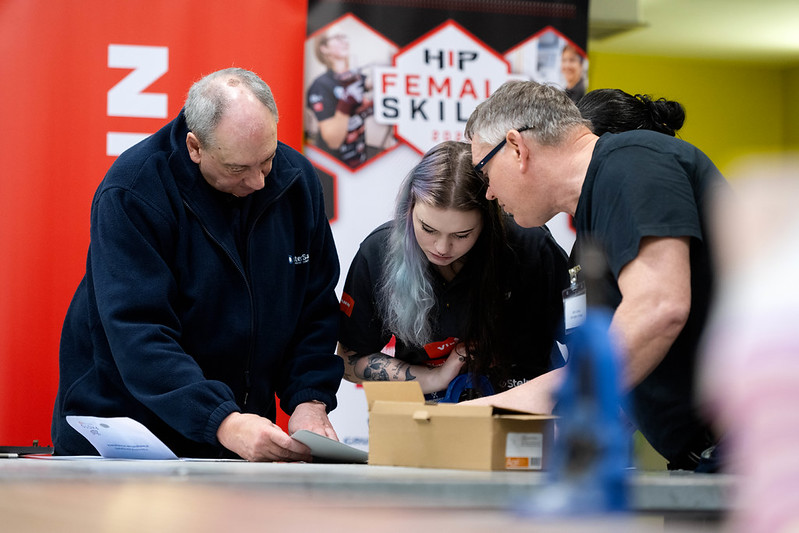
Not all feedback will be easy to hear, and sometimes it may feel unfair or poorly delivered. The important thing is how you respond.
Stay calm – Keeping your cool helps you think clearly.
Ask for clarification – Asking “Can you show me what you mean?” can turn a difficult conversation into a useful one.
Be respectful – If you disagree, explain your point calmly and professionally.
Move forward – Don’t dwell on negative comments. Focus on what you can learn and improve.

As your career progresses, you may find yourself helping newer apprentices, supervising jobs or even running your own team. Being able to give feedback well is just as important as receiving it.
One simple approach is the Feedback Sandwich.
Highlight something the person has done well.
Keep it clear, specific and focused on the work.
Leave them feeling confident about improving.
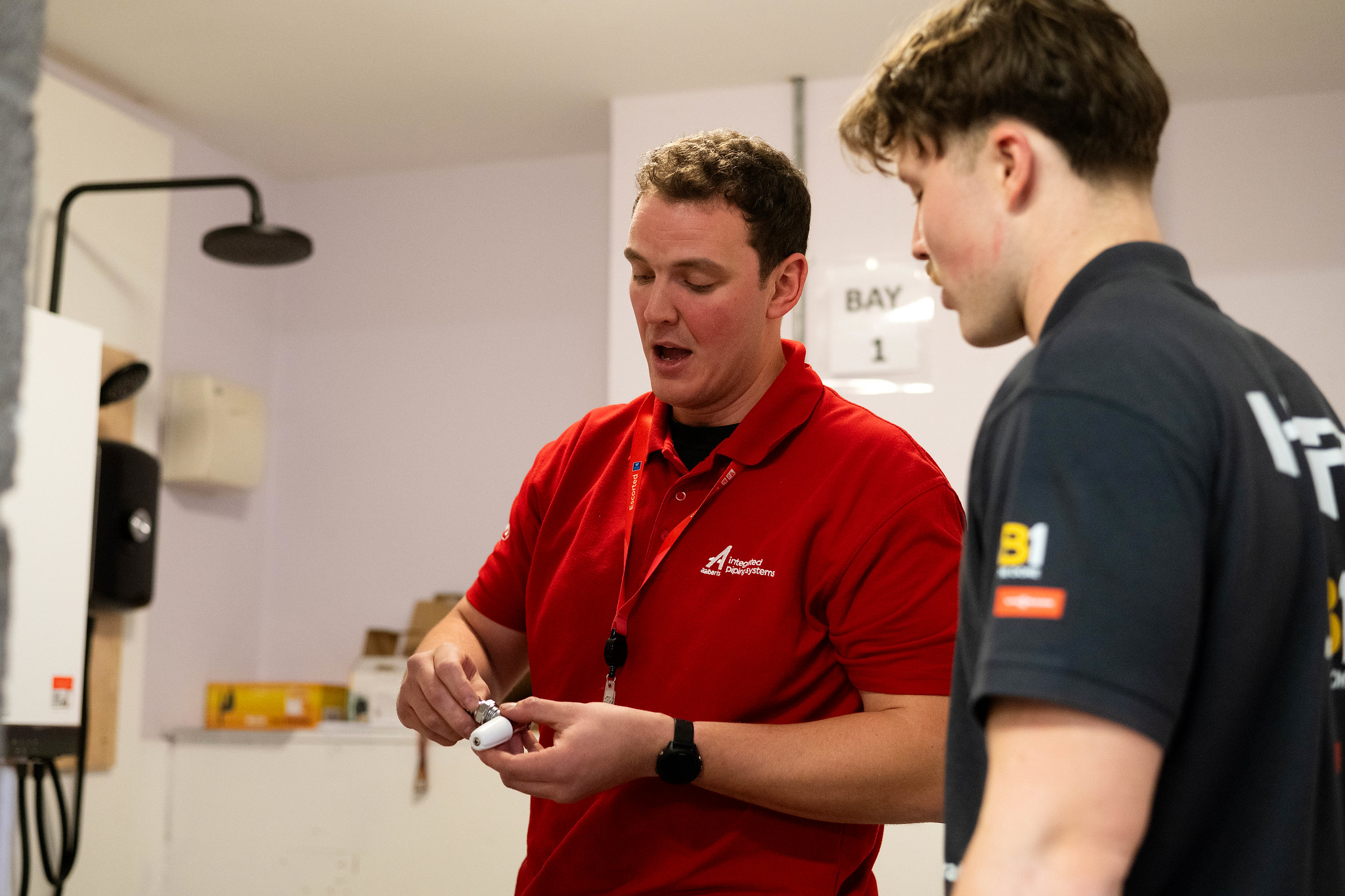
For example:
“You did a neat job on that pipework – next time just double-check the angles before soldering. You’re really improving.”
The improvement point sits between positive feedback and encouragement. The message is clear, while the person still feels supported.
People are more receptive to feedback when they feel respected. Whether you’re helping a classmate, mentoring an apprentice or leading a team, constructive feedback can help improve standards and support the people around you.
Learning how to give and receive feedback professionally is a skill you can take with you throughout your career.
Put it into practice
Giving and receiving feedback is something you’ll encounter throughout your training and career. The more you practise, the more confident and professional you’ll become.
Want to put these ideas into practice? The latest HIP Magazine includes a practical activity on giving and taking feedback, giving you the chance to think about how you respond to feedback and how you can use it constructively.
Click here to read the latest HIP Magazine and try out the activity!
Applications are now open for 2027 – get involved in HIP Learner of the Year & HIP Female Skills Competition today!

Get Involved. See What You Can Achieve: Discover how entering HIP competitions can boost your confidence, challenge yourself and help you realise your potential!

Carhartt women’s steel pants have been designed around how women actually move and work on site rather than simply resizing men’s.

Registered Plumbers: 91% of UK homeowners believe installers should be qualified, vetted and on an official register.

We are delighted to announce the winner of the HIP Female Skills 2026 – congratulations to Bronwen Evans from Cardiff and Vale College!
From 1 April, WaterSafe has a new name: WaterSafe Register. The new name makes their role clearer – to operate a trusted national register…