

Applications open for HIP LOY & FSC 2027
Applications are now open for 2027 – get involved in HIP Learner of the Year & HIP Female Skills Competition today!
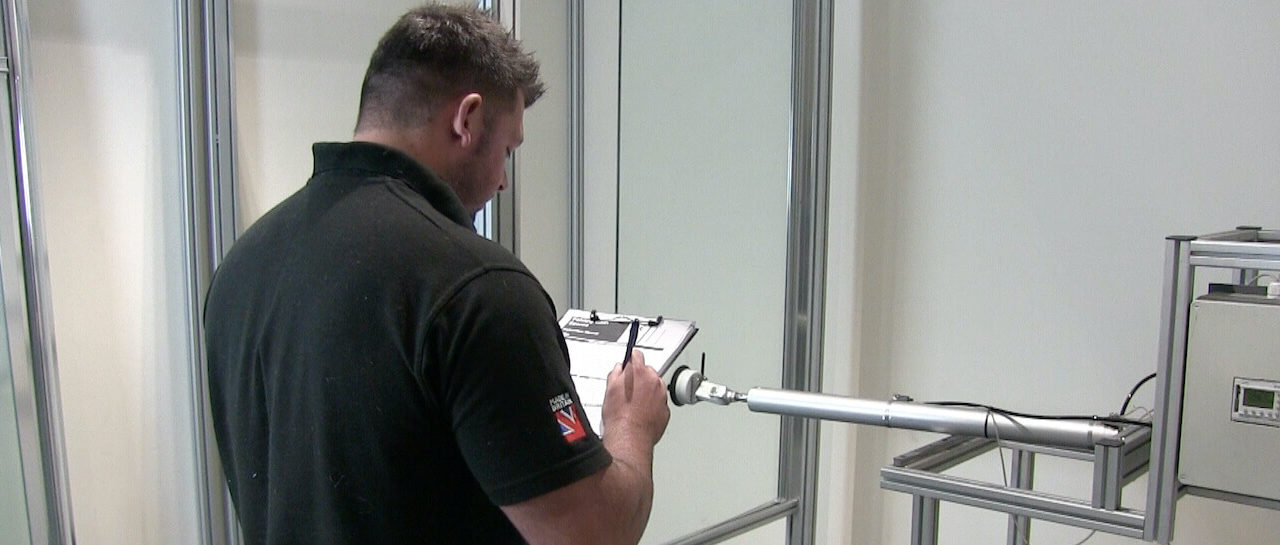
CE Marking legislation came into legal force from 1st July 2013 – this marked the most critical change to legislation in a long time for plumbers and other specifiers to be aware of. The CE Mark indicates that a product complies with EU regulation, but it is a self-certification scheme and it is the manufacturer, supplier or glass contractor’s responsibility to ensure their products conform to the relevant regulations.
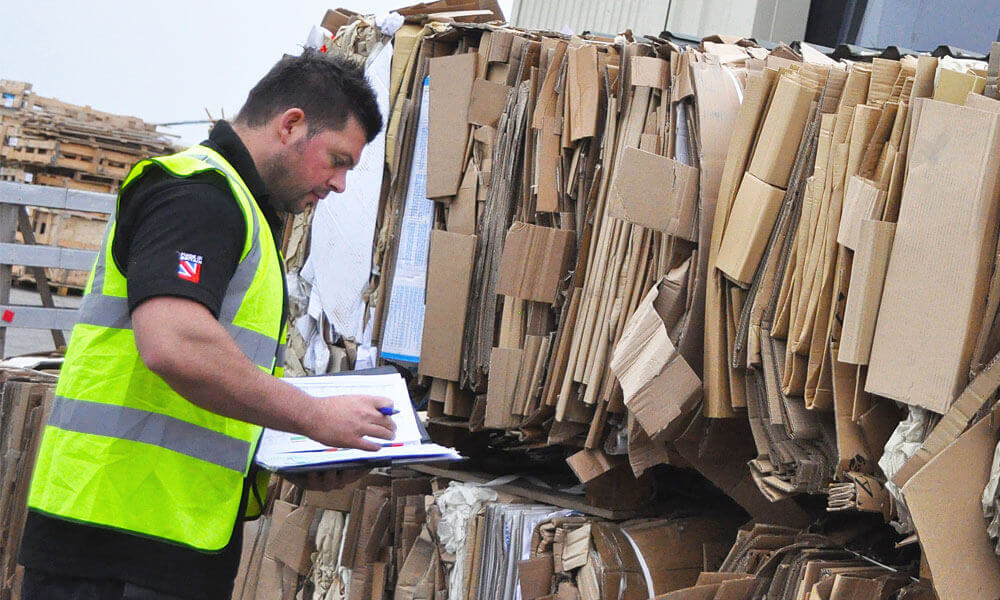
It is the responsibility of manufacturers to ensure their enclosures conform to the standard, but the final reseller of the products – plumbers – also have a legal responsibility to ensure the products they stock, or are specifying, also conform to the standard.
These legal requirements cover the supply of all products for new build, refurbishment or retail sales in the UK. Therefore, this applies to all manufacturers, importers and glass contractors – even for small or individual volumes.
As a responsible British manufacturer of showering products, Roman carries out three main tests to ensure all products conform to the CE Marking BS EN14428 Standard:

The internet and the lower end of the market have been prospering by openly selling a wide array of non-compliant products ever since CE marking was enforced in July 2013. There is seemingly a lot of non-compliant products in the price entry market and we certainly see this being addressed more by the government, Trading Standards, the NHIC and the OPSS. This will create more of a level playing field and more importantly safe and durable products for the consumer at all market levels.
Manufacturers or suppliers must make the declaration of performance available to their customers, therefore making it available for everyone to see. Best practice conformity is to show CE marking details within their literature; their individual product instructions manuals; and on their website. In line with the standard, they should also display their CE documents for each product on their website, so customers can have quick and easy access to this information.

There were 2014 updates for CE marking itself for manufacturers, suppliers or glass contractors, which includes production audits in addition to CE testing to prove ongoing compliance and individual product traceability over 10 years.
If any problems occur during the testing stage, they will be resolved, and the product will be tested again through the full lifecycle to ensure the product exceeds the BS EN14428 Standard which tests for functional requirements. This then ensures the shower enclosure meets the EU Construction Products Regulation and can legitimately carry the CE mark. All products must be tested and prove that they conform and surpass these standards.
There are still many non-compliant products out there and there are huge consequences for the seller of the non-compliant product. Large fines and imprisonment can be the ultimate result for knowingly selling non-conforming products, so it is strongly urged that buyers ask the right questions around CE marking to all their suppliers.

Trading Standards is the enforcement body for England, Wales and Scotland. The Environmental Health Authority covers Northern Ireland. They have been tasked with appropriate market surveillance. The ultimate enforcement authority across the UK is the Secretary of State. Failure to comply with any aspect of the Construction Products Regulation can lead to; enforcement of appropriate corrective actions to manufacturer or supplier, recall or withdrawal of product from the market, Pan European communication of the above and fines start from £5,000 per incident or up to three months imprisonment. Fines apply to the final reseller or manufacturer as appropriate in each case.
Saying that you conform is one thing – but proving you conform is actually what CE marking is all about.
Applications are now open for 2027 – get involved in HIP Learner of the Year & HIP Female Skills Competition today!
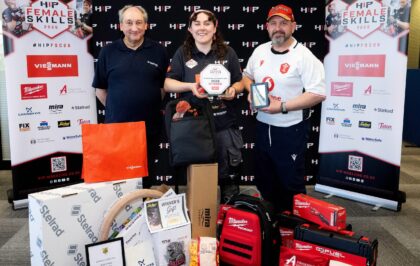
We are delighted to announce the winner of the HIP Female Skills 2026 – congratulations to Bronwen Evans from Cardiff and Vale College!
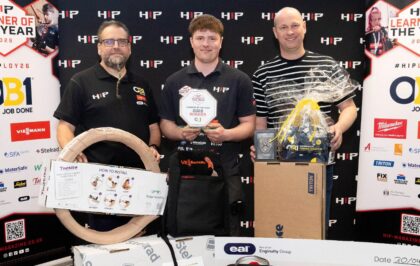
We are delighted to announce the winner of the HIP Learner of the Year Competition 2026 – congratulations to Daniel Roberts!

Giving and Taking Feedback Like a Pro: Learn how to give constructive feedback, take advice on board and build the skills to succeed in your career!

Get Involved. See What You Can Achieve: Discover how entering HIP competitions can boost your confidence, challenge yourself and help you realise your potential!

Carhartt women’s steel pants have been designed around how women actually move and work on site rather than simply resizing men’s.

Registered Plumbers: 91% of UK homeowners believe installers should be qualified, vetted and on an official register.