
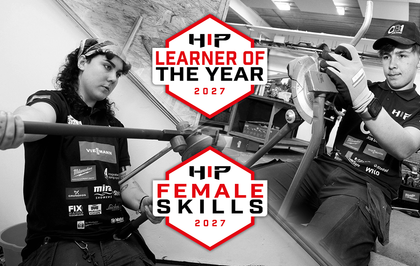
Applications open for HIP LOY & FSC 2027
Applications are now open for 2027 – get involved in HIP Learner of the Year & HIP Female Skills Competition today!

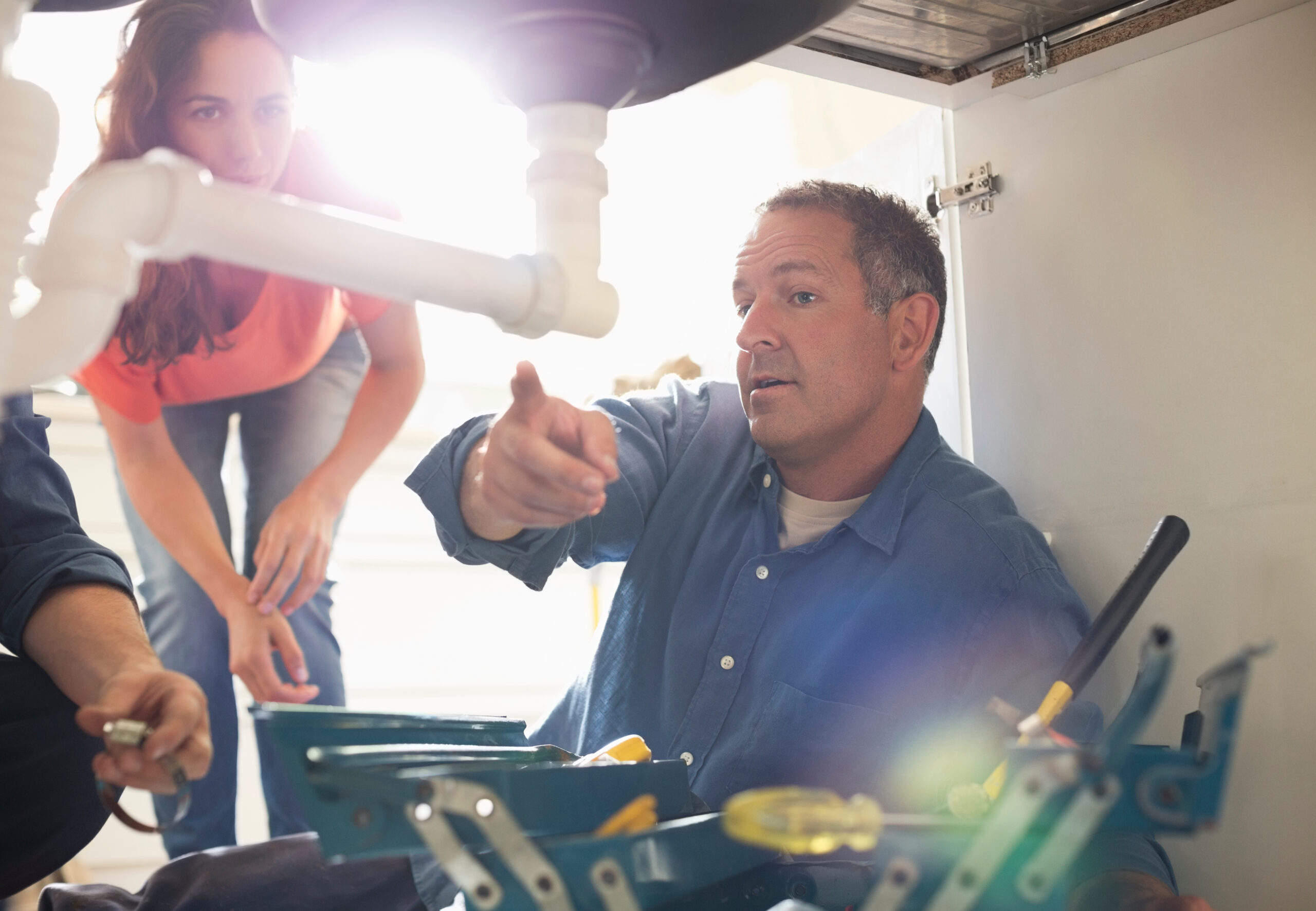
In this blog, we’ll give an insight into plumbing apprenticeships, exploring what it’s like to be a plumbing or heating apprentice, the skills you’ll need to succeed, how to make the most out of your apprenticeship and the rewards that come with mastering the trade! In the beginning, it can be a daunting experience as there is a lot of information to absorb, but always remember that every seasoned tradesperson out there was once a beginner too.
Deciding on a career as a plumbing apprentice can be an exciting and challenging journey. As someone new to the plumbing trade, you’re stepping into a world with endless opportunities to learn and grow, honing your skills and reputation along the way. The path to being a qualified plumber will require dedication, problem-solving, attention to detail, and always taking pride in the work you produce.

Selco Builders Warehouse have a brand-new blog, The Toolkit, which offers help and advice for those new to being a tradesperson – whether you’re just starting out on a trade apprenticeship or switching careers to a new specialty. The blog’s New to the Trade section includes guides for various projects including landscaping, kitchens, bathrooms, plumbing advice and an insight into plumbing apprenticeships.
Finding the right apprenticeship programme is an important first step – ensure the course has a good mixture of both classroom teaching and hands-on training/experience on the job, so that you gain both practical and theoretical knowledge.
For a further insight into plumbing apprenticeships, at the beginning of your apprenticeship, you’ll likely be spending most of your time observing and helping other tradespeople as they carry out their jobs. The most important things to do to make the most out of your course are to:
As you progress through your plumbing apprenticeship, gaining confidence and experience, you’ll be able to take on more responsibilities and develop the skills to define your professional career as a plumber when you finally go it alone.
It’s important to constantly be thinking about your future and how you want your career to progress. As a professional plumber, you’ll need the following skills at a minimum:
Once you reach the end of your plumbing apprenticeship, you’ll have faced many challenges and reaped many rewards. You’ll hopefully come out of it all with a plethora of skills, experience, tools and equipment, friends and connections. Here are some of the many benefits of pursuing a career in the plumbing trade:
Becoming a plumbing apprentice is something you should think about carefully and seriously. It’ll be a journey filled with growth, learning, challenges, hard work and opportunities. Try to throw yourself into everything you do, seeking advice and guidance from experienced tradespeople along the way, and soon enough you’ll be on your way to mastering the plumbing trade.
Applications are now open for 2027 – get involved in HIP Learner of the Year & HIP Female Skills Competition today!

Giving and Taking Feedback Like a Pro: Learn how to give constructive feedback, take advice on board and build the skills to succeed in your career!

Get Involved. See What You Can Achieve: Discover how entering HIP competitions can boost your confidence, challenge yourself and help you realise your potential!

Carhartt women’s steel pants have been designed around how women actually move and work on site rather than simply resizing men’s.

Registered Plumbers: 91% of UK homeowners believe installers should be qualified, vetted and on an official register.

We are delighted to announce the winner of the HIP Female Skills 2026 – congratulations to Bronwen Evans from Cardiff and Vale College!