
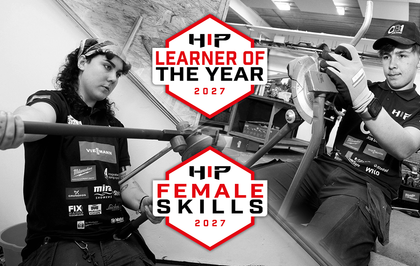
Applications open for HIP LOY & FSC 2027
Applications are now open for 2027 – get involved in HIP Learner of the Year & HIP Female Skills Competition today!
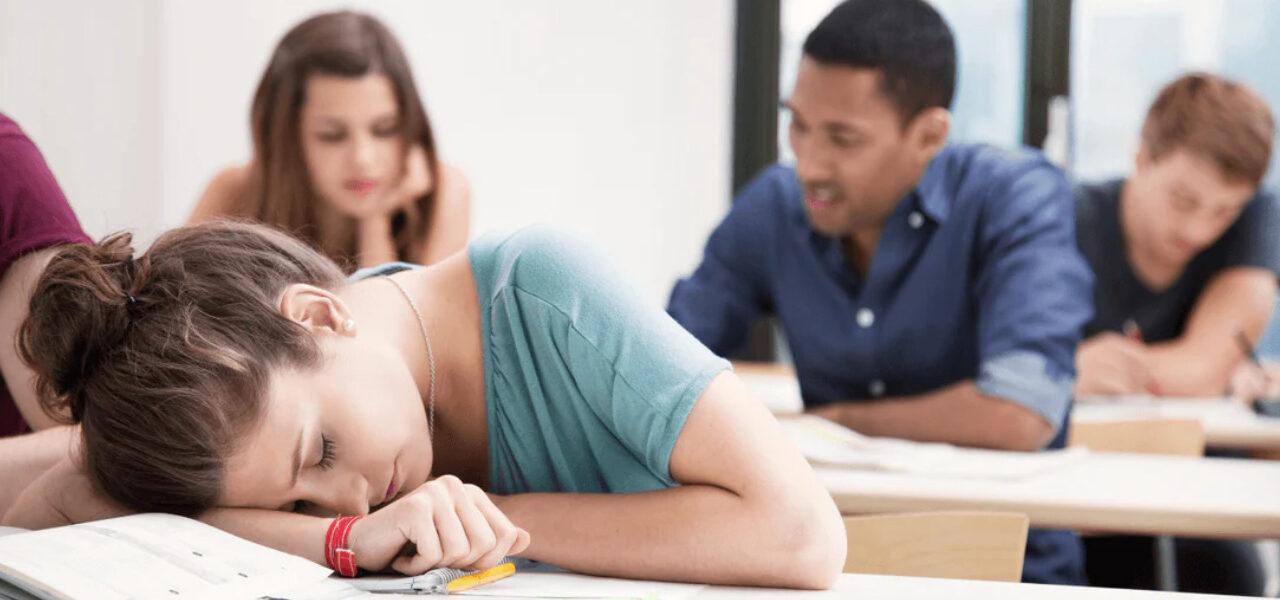
Based on the results of a wide range of studies that explore such questions, B・SYNC ON’s put together a number of student sleep statistics that provide insight into what appears to be an endemic problem. We also share some simple and easy tips for students to follow in order to sleep well, increase the amount of sleep they’re getting, and perhaps even acquire better grades. (Note, this post focuses on high school and university students in the US and UK, though it does also include some worldwide statistics.)
You heard right. Creating a good sleep routine has been found to be a far more certain way to perform well in exams than last minute cramming during all-nighters. And with the new academic year starting up, now is the perfect time to make some changes.
A recently published study of 1600 students found that those with early bedtimes and longer sleep duration’s performed significantly better academically than those who didn’t.
While scrubbing up the night before an important test might seem like a good idea, the reality is that – no matter how effectively you revise during that time – you’re probably better off making sure you get a good night’s sleep. This is because sleep deprivation is closely linked with poor cognitive performance such as degraded alertness and attention.
So, for students wanting to succeed the message is simple: improve your sleeping habits. There are some simple ways to change up your sleep and improve alertness and cognitive performance. These are:
Want to learn more about students’ relationship with sleep, and how to improve your sleeping habits as a student? Read, B・SYNC ON’s full article on student sleep statistics. As the studies suggest, better sleep can lead to better learning, better memory, and better grades.
Applications are now open for 2027 – get involved in HIP Learner of the Year & HIP Female Skills Competition today!
Giving and Taking Feedback Like a Pro: Learn how to give constructive feedback, take advice on board and build the skills to succeed in your career!

Get Involved. See What You Can Achieve: Discover how entering HIP competitions can boost your confidence, challenge yourself and help you realise your potential!

Carhartt women’s steel pants have been designed around how women actually move and work on site rather than simply resizing men’s.

Registered Plumbers: 91% of UK homeowners believe installers should be qualified, vetted and on an official register.
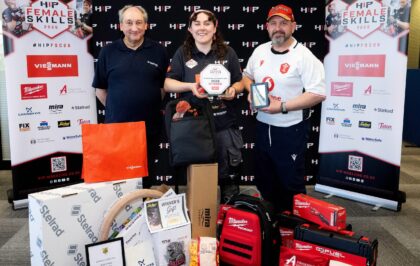
We are delighted to announce the winner of the HIP Female Skills 2026 – congratulations to Bronwen Evans from Cardiff and Vale College!